The 7 Secret Reasons Micro RGB vs OLED is the New Tech War to Watch
On This Page
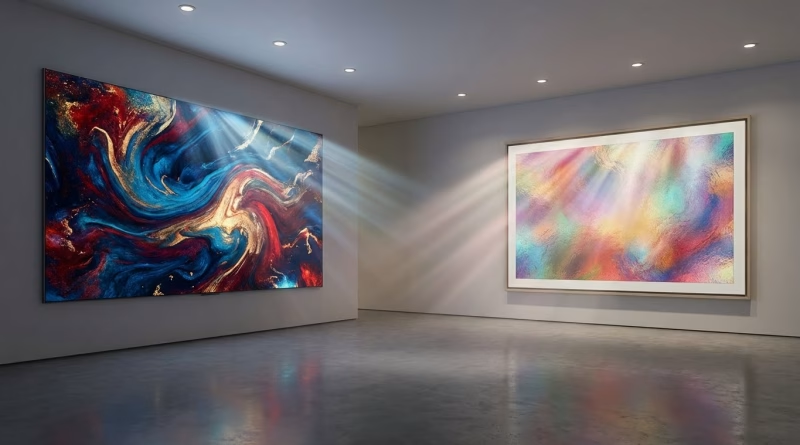
The “Art TV” trend started as a niche luxury, but at CES 2026, it has become the standard. TVs are no longer “black boxes” that sit idle; they are digital canvases. However, as sizes get bigger and brightness levels soar, the industry is splitting between two dominant technologies. Choosing between Micro RGB vs OLED is now the most critical decision for any high-end home theater enthusiast.
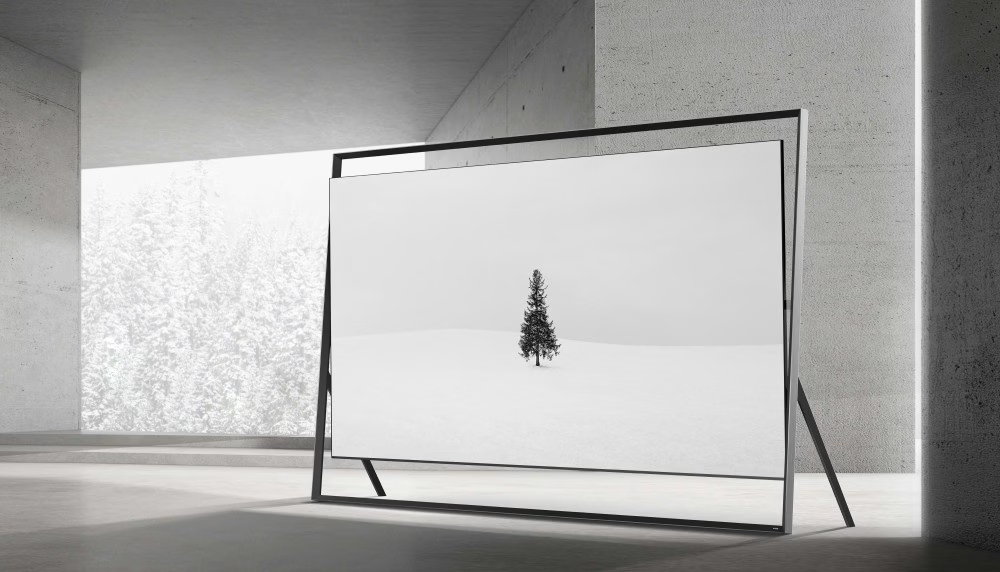
Image: Samsung Newsroom
The Heavyweight Champ: Samsung’s 130-Inch R95H
Samsung stole the show this year with the R95H, a 130-inch monster that uses what they call “Micro RGB” technology. Unlike traditional LED TVs that use a white backlight, Micro RGB uses sub-100μm red, green, and blue LEDs that emit light independently.
This allows the R95H to achieve something previously thought impossible: 100% coverage of the BT.2020 color gamut. This is the widest color standard used in cinema today. Because the LEDs are inorganic, the R95H can reach searing brightness levels (hitting over 4,000 nits) without the risk of burn-in, making it the ultimate “window to the world” display.
The Challenger: Amazon Ember Artline
While Samsung is pushing the limits of size, Amazon is pushing the limits of accessibility. The newly rebranded Ember Artline (starting at $899 for 55 inches) is Amazon’s direct shot at Samsung’s The Frame. It uses a 4K QLED panel with a specialized matte screen and integrated “Omnisense” sensors that turn the art on only when you are in the room. Powered by the new Alexa+, it can even analyze your room’s decor and recommend art to match your furniture.
Micro RGB vs OLED: The 2026 Breakdown
If you are shopping for a premium screen this year, the Micro RGB vs OLED debate comes down to three factors:
- Brightness vs. Blacks: OLED still holds the crown for “perfect blacks” because each pixel can turn completely off. However, in a bright living room, Micro RGB vs OLED becomes a contest of visibility. Micro RGB can be three times brighter than the best OLEDs, making it the winner for daytime viewing.
- Color Purity: Traditional OLEDs often use color filters. Micro RGB uses pure red, green, and blue light sources. In side-by-side tests at CES, the Micro RGB panels showed a level of color “volume” that made even high-end OLEDs look slightly desaturated in comparison.
- Longevity: Because it uses inorganic materials, Micro RGB is immune to the permanent image retention (burn-in) that can still plague OLED screens if they are left on static art images for hours every day.
The Art TV War is Just Beginning
Amazon’s entry into the space with the Ember Artline proves that the lifestyle TV market is no longer just for the 1%. Whether you want a 130-inch architectural masterpiece like the Samsung R95H or a smart, art-focused 55-inch display for your bedroom, the technology of 2026 is ensuring that your TV looks as good off as it does when you’re watching a blockbuster.
In the end, the Micro RGB vs OLED rivalry is the best thing that could happen to consumers. It’s forcing OLED to get brighter and Micro RGB to become more affordable. No matter which side you choose, the “black box” in your living room is officially dead.