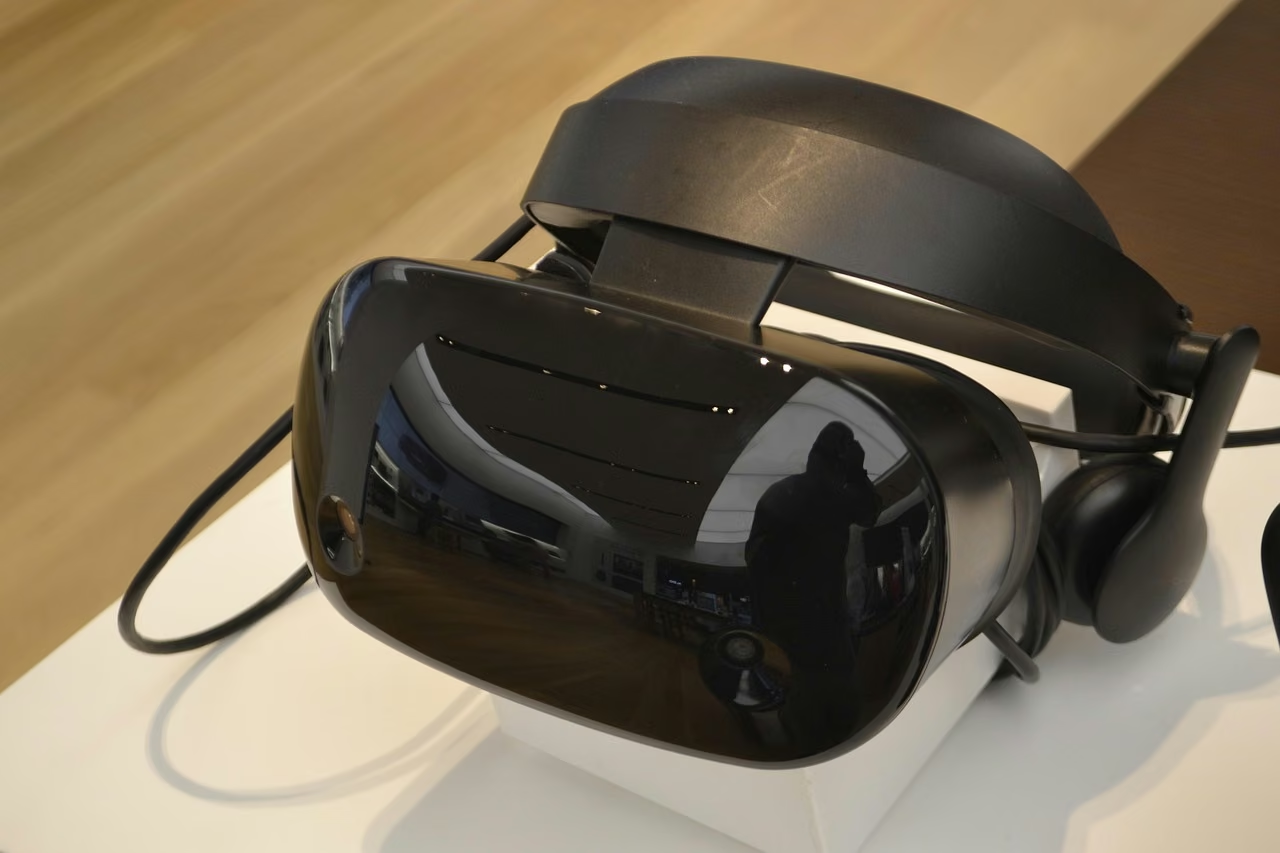
The fastest way to put a new VR headset back in its box is to start with the wrong game. A shooter where you glide around with a thumbstick can make a first-timer queasy within minutes. The good news is that the best VR games for beginners are also some of the best VR games, full stop. This list groups them by how much they move you, so you can build up comfort gradually instead of giving up on day one.
All but one of these run on a Meta Quest headset on its own; Half-Life: Alyx needs a gaming PC. Many are also on PC VR.
Why some VR games make you sick
Motion sickness in VR, sometimes called cybersickness, happens when your eyes see you moving but your body feels nothing. Your brain gets two conflicting signals and some people respond with nausea. Games are much more comfortable when:
- You stand or sit still and the action comes to you.
- You move your own body around a small play area.
- You teleport from spot to spot instead of gliding.
Smooth thumbstick movement, fast turning, falling and rollercoasters are what to save for later.
Day one: games where you stay put
Start here. Nothing in these games moves you artificially, so they’re comfortable for almost everyone.
Beat Saber. You stand in one spot and slice blocks in time with music. It’s the game most people try first, it’s good exercise, and there’s nothing to get used to except the rhythm.
Tetris Effect: Connected. Tetris with music and visuals that react to every move. There’s no simulated motion at all, which makes it one of the most relaxing ways to spend half an hour in a headset.
I Expect You to Die. A spy-themed escape room you play sitting down, using your hands to pick up objects, solve puzzles and avoid traps. It rewards thinking rather than reflexes.
Cubism. A calm, seated puzzle game about fitting coloured blocks into shapes. Ideal if you want something quiet.
Job Simulator. A comedy where robots run a museum of human jobs. Almost everything happens within arm’s reach, so you barely need to move, and it’s a gentle way to learn how VR hands work.
Angry Birds VR: Isle of Pigs. The slingshot game you know from phones, except you can walk around the level to plan your shot. Fun for children and adults.
Week one: a little more movement
Once the day-one games feel normal, try these. They add movement in ways that most people tolerate well.
Walkabout Mini Golf. Beautiful mini-golf courses you move around by teleporting. Many guides call it the best first VR game, and it’s great with friends online.
Moss. You guide a small mouse through a storybook world, watching from above like a giant. The third-person view keeps the camera steady, so it’s much more comfortable than a first-person adventure.
Pistol Whip. An action-film rhythm shooter. You move forward automatically along a set path rather than steering yourself, which many players find surprisingly easy to handle.
Rec Room. A free social game full of player-made activities. Turn on its teleport movement mode before you start exploring.
When you’ve found your VR legs
After a week or two of comfortable sessions, you’re ready for the games that made VR famous. Use their comfort settings at first.
Half-Life: Alyx. Still regarded as the best VR game ever made, on PC VR. It offers teleport movement as well as smooth movement.
Batman: Arkham Shadow. A Meta Quest 3 and 3S exclusive that turns Batman’s combat and stealth into real punches and crouching. Expect more movement and faster action.
If you’d rather have a giant screen without any of the motion, AR gaming glasses are worth a look instead.
Settings that help
Most VR games have a comfort or accessibility menu. Before you play anything with movement, look for:
- Teleport movement instead of smooth movement.
- Snap turning, which turns you in quick steps instead of a smooth spin.
- A comfort vignette, which darkens the edges of your view while you move.
- Seated mode, if you’d rather sit down.
And a few habits:
- Keep sessions short at first. Beginner guides recommend 20 to 30 minutes, with breaks.
- Stop at the first sign of queasiness. Take the headset off, sit down and drink some water. Pushing through makes it worse and can put you off VR. Come back tomorrow.
- A fan pointing at you helps some people, by keeping you cool and giving your body a sense of direction.
Which headset, if you don’t have one yet
The Meta Quest 3S is the usual first headset because it works on its own, with no PC or console. It costs $349 after Meta raised prices in April 2026; a holiday deal near $300 is good. The Quest 3 ($599) has sharper lenses. Sony’s PlayStation VR2 is no longer listed on its US store, and Valve’s Steam Frame ($1,059) is aimed at enthusiasts with a gaming PC. Prices change often, so check before you buy.
Not ready to spend that much? Our list of free browser games needs nothing but a web browser.
FAQ
Why does VR make some people feel sick?
Your eyes see movement that your inner ear doesn't feel. When a game slides you forward with a thumbstick while your body stays still, the two signals disagree, and some people get queasy. Games where you stand still, move your own body or teleport avoid most of that conflict.
Will I get used to it?
Most people do. Beginner guides suggest short sessions of 20 to 30 minutes, stopping as soon as you feel unwell, and coming back the next day. Many players adapt within a week or two.
SOURCES
- VR.org: VR for beginners (comfort advice, beginner games, 2026 headset prices)
- Analytics Insight: Top 10 VR games for beginners without motion sickness
- TechRadar: The best PC VR games for beginners
- TechRadar: Best Meta Quest 3 games
- 5th Scape: Best VR games 2026 (Walkabout Mini Golf for beginners)
- Everything Edinburgh: Best VR games in 2026 (Half-Life: Alyx, Batman: Arkham Shadow)